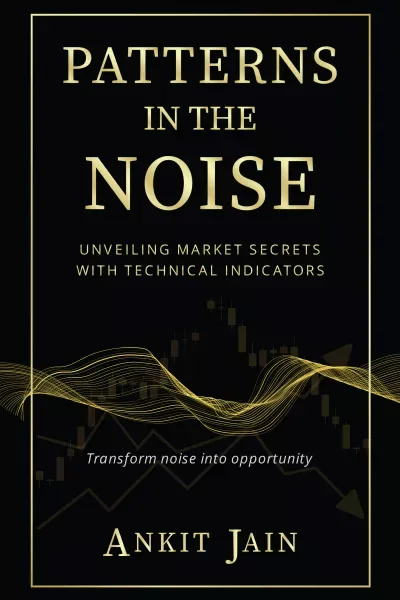
Patterns in the Noise
About the book
The stock market is full of noise: fast-moving charts, conflicting opinions and endless data. Hidden in that noise are patterns, if you know where to look.
Patterns in the Noise is a beginner-friendly guide to the most widely used technical indicators. It’s for anyone new to trading or tired of blindly following tips.
No hype. No heavy jargon. Written by a passionate learner on his own trading journey, not a market guru.
Inside, you'll discover
- What each indicator really tells you, and what it doesn't
- How to use indicators on stocks, currency, ETFs, futures and indices, with real chart examples
- Common beginner mistakes and how to avoid them
- Easy-to-remember hacks, analogies and setups
- How to combine indicators to confirm signals and manage risk
The 10 must-know indicators
Each chapter covers: the terminology · calculations · parameters · interpretation · charting · best practices · common mistakes · quick checklist · pro tips · practice.
What readers say
“Written like a conversation, as if a friend is sitting next to you explaining the charts on your screen.”
“He writes like someone who genuinely wants the reader to understand the market, not fear it.”
“Each indicator has been briefly explained with an example, making it easy for the readers to understand.”
“Feels more like a mentor explaining things over coffee than a textbook lecture.”
“Helps you build confidence to analyze, not just follow tips.”
About the author

Ankit Jain
A consultant, author and analytical thinker with over two decades in IT consulting, who enjoys simplifying complex ideas.
More about Ankit →Reader questions
Is this book for complete beginners?
Yes. Every indicator starts from the basics, with analogies and charts, before moving on to how to use it.
Does the book give stock tips?
No. It teaches you to read and question the indicators yourself. It's educational, not investment advice.
Have a question about the book? Ask it here. The best ones get added to this page.
This book and website are for education only and are not investment advice. The author is not a SEBI-registered investment adviser. Trading involves risk; please do your own research or consult a registered adviser.